
Uninterruptible Power Supplies
Uninterruptible Power Supplies : UPS
Protect critical loads from downtime with tailored UPS solutions designed for Philippine factories, buildings, and control systems.
- Zero downtime during brownouts
- Sized to your load & runtime
- Local support / fast response
Why You Might Need a UPS Sytem?
Voltage Sags & Brownouts
Protect your equipment from power dips that can cause malfunctions, data loss, or reduced lifespan.
Critical Machine Outages
Ensure your essential machines stay operational during sudden blackouts, avoiding costly downtime.
Backup for Sensitive Loads
Provide uninterrupted power for elevators, control systems, or sensitive electronics to keep operations safe and smooth.
UPS Types We Offer
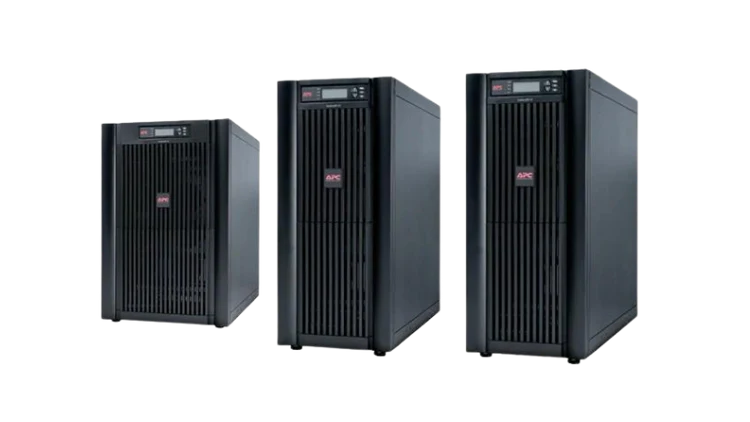
Line-Interactive UPS
20kVA – 200kVA+
Provides reliable and cost-effective protection for offices, shops, and control panels. Automatically regulates voltage to keep equipment stable during power fluctuations and short outages.
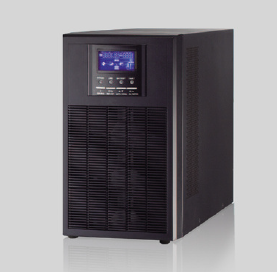
Online Double-Conversion UPS
10kVA – 600kVA+
Delivers continuous, clean power with zero transfer time during outages. Ideal for data centers, hospitals, and sensitive equipment requiring uninterrupted operation.
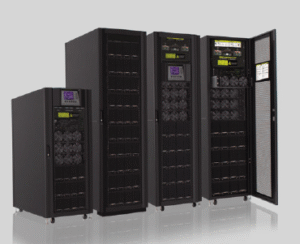
Modular/ Scalable UPS
50kVA – 1200kVA+ (scalable)
Flexible UPS solution that allows hot-swappable modules for easy maintenance. Designed for growing businesses and data centers needing scalable capacity.
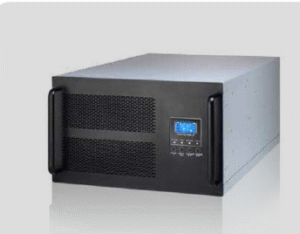
DC/ Rackmount UPS
30kVA -800kVA+
Compact rackmount UPS designed for telecom, networking, and IT infrastructure. Saves space while delivering reliable and efficient power backup.

Not Sure Which UPS Type is right for You?
Line-Interactive
For small offices, control panels, and elevators
Online Double-Conversion
For industrial equipment and sensitive systems
Modular UPS
For mission-critical or scalable setups
DC/Rackmount
For telecom or distributed control setups
Success Stories & Proven Impact
We have a strong track record of delivering measurable energy savings for diverse industrial clients across the Philippines.
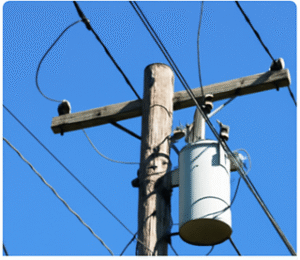
−18% energy, PF penalties eliminated
Diagnose hidden inefficiencies with advanced metering solutions for harmonics, imbalance, and power quality—ensuring complete operational visibility.
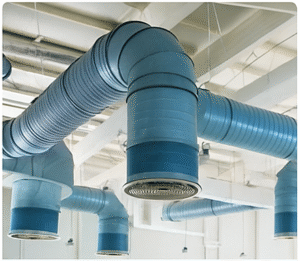
−15% bill, peak demand stabilized
Cut electric bills by 20–40% with data-driven blower retrofits, inverter motors, and expert airflow system tuning.
Frequently Ask Questions
What's the difference between an AVR and a UPS ?
An AVR (Automatic Voltage Regulator) primarily corrects voltage fluctuations to provide stable power. A UPS (Uninterruptible Power Supply) provides temporary battery backup power during outages and also offers surge protection and power conditioning. Often, they work best together for comprehensive power quality.
How do I choose the right UPS for my business ?
Choosing the right UPS depends on your load’s power requirements (kVA/kW), desired backup runtime, and the criticality of your equipment. Our engineers can conduct a detailed site assessment and recommend the optimal UPS solution tailored to your specific needs.
Do your UPS systems support remote monitoring and management?
Yes, many of our UPS models, particularly from Powercom, offer advanced network management capabilities (SNMP, Modbus) allowing for remote monitoring, alerts, and graceful shutdowns, integrating seamlessly into your existing IT infrastructure.
How often should I replace my UPS battery?
The typical lifespan of a UPS battery is 3 to 5 years, though this can be affected by several factors. The battery’s lifespan can be shortened by high temperatures, frequent power outages (which cause repeated deep discharges), and a heavy load. It’s important to monitor your UPS for alerts that indicate a failing battery and to perform regular maintenance, such as keeping the unit in a cool, dry, well-ventilated area
How long will a UPS provide power during an outage?
A UPS runtime, which is long it provides power during an outage, is determine by the size of its battery and the power consumption (load) of the connected devices. Most consumer UPS units provide 5-15 minutes of run time, enough for a safe system shutdown, while larger systems can last for several hours with extended battery modules.